Seattle Sellers Need to Price Right as Inventory Rises
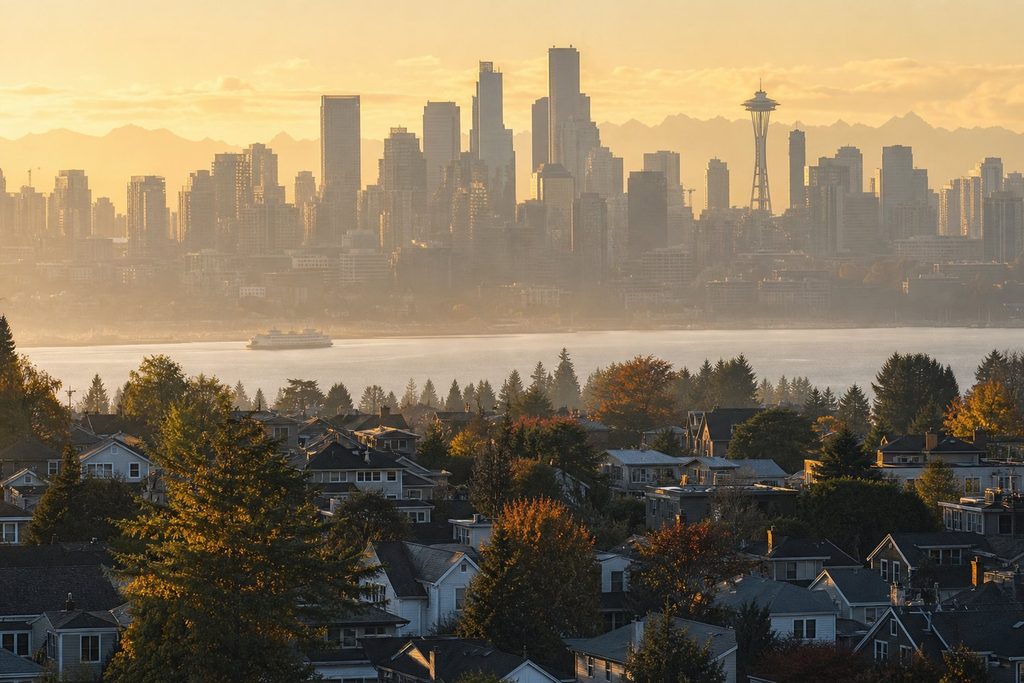
Before you pick a number, pull the homes that closed near you recently and the ones still competing for buyers today. Price against both. With King County inventory up about 32.8% in October 2026, an asking price copied from last season’s listings leaves you chasing the market instead of leading it.
What do Seattle sellers need to do about pricing as inventory rises?
Seattle sellers need to set a launch price from recent closed sales and from the listings competing with their home today, not from last season’s asking prices. King County’s active inventory was up about 32.8% year over year in October 2026, so buyers have more homes to compare and a mispriced listing loses the high-attention first weeks. A launch price that matches the market protects those weeks.
Key Takeaways
- King County had 7,592 active listings in October 2026, up about 32.8% from 5,719 in October 2025.
- Across the 27-county NWMLS region, new listings were flat at 7,991 in both October 2025 and October 2026, so the added inventory looks like slower absorption, not a wave of new sellers (that reading is my interpretation of the data).
- In Seattle, months of supply was 3.8 for homes sold August to October 2026, compared with 2.7 in the same window a year earlier.
- Seattle homes of all types that sold August to October 2026 had a median sale price of $864,399, down 2.3% from $885,000 a year earlier.
- A defensible launch price comes from similar recent closings plus the active and pending homes your buyers will compare yours against.
Why does rising inventory change how Seattle sellers need to price?
More homes for sale means more choice for buyers, so a price that ignores the competition gets passed over instead of negotiated. Inventory also isn’t one number, so it helps to know which geography you’re reading.
How much has inventory actually grown?
The Northwest Multiple Listing Service (NWMLS) covers 27 counties, and it ended October 2026 with 23,519 active listings, up 25.2% from 18,791 in October 2025. The three central counties of King, Snohomish, and Pierce together had 13,538 active listings, about 31.2% more than a year earlier, per the same NWMLS report.
King County alone had 7,592 active listings in October 2026, versus 5,719 a year earlier, an increase of about 32.8%, according to Seattle Agent Magazine’s NWMLS market update. Growth also differed from one part of Seattle to another, with Ballard/Green Lake and West Seattle both up but by different amounts. That’s one reason a citywide figure never prices your house.
Is it more new listings or slower sales?
NWMLS reported 7,991 new listings in October 2026, the same count as October 2025. When new listings are flat but active listings climb, homes are staying available longer instead of a flood of new sellers arriving. That’s my read, not a measured cause, but it’s the one I plan around: more homes sitting in your price range right beside yours.
What do Seattle’s own numbers show?
Recent local market data for Seattle, within city limits, shows the following for all home types sold August to October 2026:
| Measure | August to October 2026 | Same window a year earlier |
|---|---|---|
| Median sale price | $864,399 | $885,000 |
| Homes sold | 1,887 | 2,264 |
| Average sale price as a share of list price | 99.0% | 99.6% |
| Months of supply | 3.8 | 2.7 |
A few more figures from the same data: 21% of those Seattle homes sold above list price and 48% sold below. In the same recent local market data, 34% of listings carried a price cut, averaging 4.2%. And 45% of homes went under contract within two weeks of listing, with a median of 12 days from listing to pending for recently sold homes.
Read that last number carefully. It only counts homes that sold. The homes that sat aren’t in it, and those are usually the ones priced above what buyers would pay. These are area-level figures, so your own home’s value depends on its condition, street, build year, and timing.
How do you build a launch price from comparable sales?
Start with similar homes that closed recently, then check what’s active and pending nearby, and price against both. Closed sales tell you what buyers paid. Active and pending listings tell you what you’re up against on day one.
Which comparable sales belong in your price?
The best comps match your home on size, age, style, condition, and location, and they closed recently. A condo and a single-family home on the same block aren’t comparables, and neither are two homes a few streets apart if one backs onto a busy road. I run the same process whether the home is in Seattle, Renton, Kirkland, or Coupeville, but the comps and the competition are different in each.
Your specific number depends on your home’s condition, location, and timing. That’s where a local market analysis comes in, and it’s the first thing I put together before we talk about a list price.
Should you use sold prices or current asking prices?
Anchor on sold prices, then use asking prices to measure competition. Yesterday’s asking prices are the trap. A neighbor’s home listed at a big number last spring tells you what that seller hoped for, not what a buyer paid. Seattle’s average sale price came in at 99.0% of list for homes sold August to October 2026, and 48% of homes sold below their list price, so asking prices alone overstate what buyers are paying.
I research market trends every week, so when a seller’s number runs high I say so plainly, and when it runs low I say that too. That honesty matters more when inventory is rising and buyers have options. For a deeper look at the idea behind this, see The #1 Thing Sellers Need To Know About Their Asking Price.
Should you price below the competition to draw offers?
Not as a default. A price slightly under the comps can create activity in the right circumstances, but it’s a strategy decision that depends on your home, your timeline, and what’s actually competing with you. Pricing above the comps and hoping the market catches up is the riskier move when buyers can choose from more homes. If you want a refresher on what “priced to sell” means, Is Your Home Priced to Sell? covers the basics.
What happens if you price too high and have to chase the market down?
You spend your strongest weeks of attention on a number buyers won’t pay, then relaunch as a reduced listing next to homes that started at the right price. In Seattle’s recent local market data, 34% of listings had a price cut averaging 4.2%. The data doesn’t tell us how many of those cuts came from an overpriced launch, but in my experience it’s a common reason.
How quickly should you reduce if there are no offers?
Treat the first two weeks as your signal. With 45% of Seattle homes going under contract within two weeks in recent local market data, a quiet first two weeks is a reason to review your comps, showing activity, and feedback. It doesn’t automatically mean cutting the price. It helps to agree on that review point before you list, so the decision is based on the data and not on frustration.
Seattle sellers need a plan for week three before the home ever goes live. That’s also why some sellers pull their homes off the market after a slow start, which I touched on in The Real Reasons More Sellers Are Taking Their Homes Off the Market.
Does higher inventory mean you’ll negotiate more?
It can. Months of supply rose from 2.7 to 3.8 in Seattle, so buyers have more room to compare and ask for concessions on a home that feels overpriced. A home priced to the market gives you a stronger position to hold your terms. Whether that applies to your property depends on your price point, your area, and your condition, and I’d rather look at it with you than guess.
FAQ
How much has Seattle-area housing inventory increased in 2026?
In October 2026, King County’s active listings were up about 32.8% from October 2025, to 7,592 listings, per Seattle Agent Magazine. King, Snohomish, and Pierce counties together were up about 31.2% to 13,538 listings, and the full 27-county NWMLS region was up 25.2% to 23,519. These are different geographies, so compare them only to themselves.
Should I price my Seattle home below comparable listings to attract offers?
Not automatically. Price from recent closed sales first, then decide whether a deliberate under-ask fits your goals and the competition. In recent local market data, 21% of Seattle homes sold above list and 48% below, so the right launch price varies widely by home.
Should I use recent sold prices or current asking prices when setting a list price?
Use recent sold prices as the anchor. They show what buyers actually paid. Current asking prices show who you’re competing against, but they reflect seller hopes, not results.
How quickly should I reduce the price if my Seattle home gets no offers?
Review your pricing after the first two weeks of showings and feedback, not after months. In recent local market data, 45% of Seattle homes went under contract within two weeks of listing. A slow start is a signal to re-check comps, though a reduction isn’t always the answer.
Are Seattle homes taking longer to sell in 2026?
Homes that sold in Seattle from August to October 2026 had a median of 12 days from listing to pending, based on recent local market data. That figure only counts homes that sold, though, and months of supply rose to 3.8 from 2.7 a year earlier. Homes priced above the market are the ones most likely to sit.
The takeaway is simple: in a market with more homes to choose from, the price you launch with matters more than any later adjustment. Seattle sellers need a number built on closed sales and live competition, and that’s the work I do with every client before a listing goes live. If you’re thinking about selling, schedule a consultation and I’ll walk you through the comps for your home and a pricing plan.
About Liz Nettles
Liz Nettles is a Seattle-based REALTOR® with RE/MAX Northwest who helps buyers and sellers across Washington State maximize their real estate investments with experienced, full-service guidance. A multi-year award winner, she holds GRI, ASR, GREEN, CNE, and SRES designations and is known for client-focused service and strong negotiation.
RE/MAX Northwest · (206) 370-0043
Equal Housing Opportunity. Real estate licensing in Washington is regulated by the Washington State Department of Licensing. This article is general information, not legal, tax, or financial advice; confirm your own numbers with your escrow officer, tax advisor, or lender.
You May Also Like